World Cultural Threads

Discover Authentic Cultural Attire Handcrafted with Tradition

Explore the cultural richness of the world through its traditional clothing. Discover stories, symbolism and art in every garmentBest clothing retailers

Folk Clothing

Preserving the Fabric of Humanity

From the intricate kimonos of Japan to the vibrant huipiles of Mexico, from Scottish tartans to Indian saris — every culture has woven its history, beliefs, and identity into cloth. World Cultural Threads is a living archive dedicated to celebrating, documenting, and sharing these extraordinary expressions of human creativity.

“We are clothed with cultures, stitched together by stories.”
EXPLORE MORE FROM EVERY CORNER OF OUR WORLD

    December 14, 2025

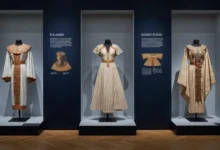
    Threads of the Nile: A Regional Guide to Egyptian Cultural Dress 🇪🇬

    Egyptian Cultural Dress by Region: Nile Delta, Upper Egypt and Bedouin Styles When we think of “Egyptian dress,” our minds…
    December 14, 2025

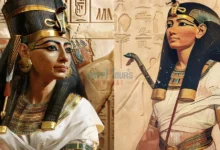
    Ancient Egyptian Clothing: Shendyt, Kalasiris and Symbolic Accessories

    Woven in Light: The Shendyt, Kalasiris, and Sacred Dress of Ancient Egypt ✨ Step from the blinding desert sun into…
    December 12, 2025

    10 Folk Costumes So Strange They’re Hard to Believe

    Unraveling the Unbelievable: A Tour of 10 Strange Folk Costumes Clothing is more than a covering; it’s a second skin…
    December 11, 2025

    Threads of Conquest: The Practicality and Power of Norman Clothing 🛡️

    Listen. Can you hear it? It’s the rhythmic clang of iron mail on a padded gambeson, the soft whisper of a wool…
    December 10, 2025

    Woven in the Arctic Light: The Living Language of the Sámi Gákti ❄️

    Imagine a vast expanse of tundra under the ethereal glow of the Northern Lights, or the endless daylight of a…
    December 8, 2025

    Forgotten Fashion Revival: Unlock Timeless Style Secrets Now!

    Vintage is the New Vogue: Your Guide to Reviving Timeless Style Secrets In the relentless, high-speed chase of the next…

    Traditional Folk Costumes Around the World

    TRADITIONAL CLOTHING IN AMERICA

      November 21, 2025

      🤠 Texas Clothing: A Guide to Boots, Hats, and Lone Star State Style

      From the rugged cowboy boots of the cattle trail to the modern “Texas chic” of Austin, discover the iconic clothing…
      November 15, 2025

      How to Dress Like an Authentic Tehuana Woman: A Practical Guide and Meaning

      It’s More Than Clothes. It’s a Way of Being. You’ve seen the spectacular photos. You know the history. But what…
      November 15, 2025

      Tehuana Dress: History, Evolution, and Influence on Mexican Fashion

      From a Simple Tunic to a Global Icon: The Journey of a Dress When we see the Tehuana dress today—a spectacular cascade…
      September 26, 2025

      Native American Traditional Clothing: A Tapestry of Heritage and Identity

      Explore the stunning diversity of Native American traditional clothing — from feathered regalia to beaded moccasins. Discover how each tribe’s…
      September 22, 2025

      Traditional Mexican Clothing: From Huipil to Charro Suit

      Discover the vibrant world of traditional Mexican clothing — from the handwoven huipil and rebozo to the dazzling charro suit.…
      December 28, 2024

      Traditional Clothing in Honduras: A Colorful Representation of Culture and Heritage

      Honduras, a Central American country rich in history and culture, is home to vibrant traditional clothing that reflects its diverse…
      December 25, 2024

      Baja Jackets: Sustainable Style for Every Adventure

      In a world increasingly conscious of environmental impact, the fashion industry is undergoing a significant transformation. Sustainable practices are no…
      December 21, 2024

      Traditional Clothing in Guyana: A Tapestry of Cultural Diversity

      Guyana, located on the northern coast of South America, is a nation celebrated for its rich cultural diversity. Its traditional…
      December 17, 2024

      Traditional Clothing in El Salvador: A Vibrant Expression of Culture

      El Salvador, the smallest country in Central America, boasts a rich cultural heritage reflected in its traditional clothing. Influenced by…
      December 17, 2024

      Traditional Clothing in Belize: Exploring Cultural Heritage

      Belize, a country rich in cultural diversity, showcases its heritage through vibrant and symbolic traditional clothing. Influenced by its Mayan,…

      TRADITIONAL CLOTHING IN AFRICA

      TRADITIONAL CLOTHING IN ASIA

        October 12, 2025

        The Enduring Legacy of the Zhongshan Suit: A Symbol of Chinese Pride and Modern Style

        Hey there, friend. Imagine slipping into a garment that whispers stories of revolution, unity, and quiet strength. That’s the magic…
        September 21, 2025

        Pashtun Attire: Pakol Caps, Shalwar Kameez, and Cultural Identity

        Picture this: a man standing atop a windswept ridge in the Hindu Kush, his silhouette defined by loose trousers, a…
        September 21, 2025

        The Kashmiri Pheran: Tradition and Elegance in the Himalayan Region

        Meta Description:Discover the Kashmiri Pheran — the iconic, flowing robe of Kashmir, woven with warmth, poetry, and centuries of Himalayan…
        September 21, 2025

        Balochi Embroidery and Tribal Dresses: Patterns of Nomadic Tradition

        Discover the vibrant, symbolic world of Balochi embroidery — a nomadic art form stitched with identity, resistance, and ancestral wisdom.…
        September 21, 2025

        Phulkari Embroidery of Punjab: The Art Behind Traditional Dresses

        Discover the vibrant world of Phulkari embroidery — Punjab’s 500-year-old textile art stitched with love, symbolism, and ancestral wisdom. Explore…
        September 21, 2025

        Sindhi Ajrak and Topi: The Timeless Symbols of Sindh’s Heritage

        Discover the deep cultural roots of Sindhi Ajrak and Topi — iconic symbols of identity, resistance, and artistry from Sindh,…
        September 12, 2025

        Miao Silver-Decorated Costume (China)

        The Glittering Heritage of Southwest China The Miao (also known as Hmong in some contexts), one of China’s 56 ethnic…
        September 12, 2025

        Kalash People’s Dress (Pakistan, Hindu Kush)

        Traditional Clothing of the Kalash People The Kalash (also known as Kalasha or Kafir), an indigenous ethnic group of about…
        December 28, 2024

        Afghan Traditional Clothing: A Tapestry of Culture and History

        From the rugged mountains to the fertile plains, Afghanistan’s diverse landscape is mirrored in the vibrant and intricate tapestry of…
        December 7, 2024

        Traditional Malaysian Attire: Exploring the Elegance of Baju Melayu

        Baju Melayu, a traditional Malay costume, is a symbol of Malaysia’s cultural identity and heritage. This attire, worn predominantly by…

        TRADITIONAL CLOTHING IN OCEANIA

        Different Cultures Around the World

        Folk clothing

        What is Folk Costume?

        A folk costume is a traditional style of clothing deeply rooted in the identity of a specific region, ethnic group, or nation. Often referred to as national costumes, traditional costumes, or regional costumes, these garments serve as powerful visual representations of cultural heritage.

        Key Characteristics:

        • Identity: More than just attire, folk costumes vividly express cultural, religious, and national identity, acting as a visual marker of belonging.
        • History: These costumes offer a glimpse into the lives and activities of past generations, reflecting their daily routines, trades, and social structures.
        • Evolution of Style: While rooted in tradition, folk costumes are not static. They can evolve over time, adapting to changing styles, available materials, and even societal norms.
        • Symbolic Colors: Colors often hold significant meaning in folk costumes. While red, black, and white are common, their specific use and combination can convey intricate messages.
        • Meaningful Shapes: Geometric shapes and patterns frequently appear in folk costume designs, often carrying symbolic weight or reflecting traditional craftsmanship.

        Occasions and Significance:

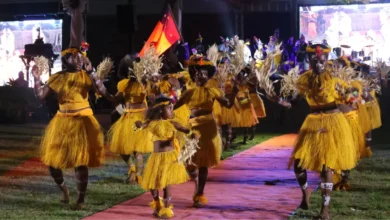
        Folk costumes play a vital role in community life. They are proudly worn at festivals, feast days, weddings, and other significant cultural events, reinforcing shared traditions and a sense of unity. They are also integral to performances by folkloric dance ensembles, bringing cultural narratives to life. In some instances, folk costumes even serve as formal wear at official ceremonies, highlighting their enduring cultural value.

        Embark on a journey through the living fabric of humanity. At World Cultural Threads, we unravel the stories woven into traditional garments – from sacred symbols to artisan techniques passed through generations. Discover how every embroidery, dye, and fold reflects a community’s history, values, and connection to the natural world.

        Indigenous tribes of the world

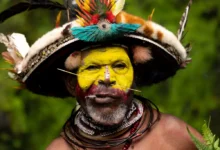
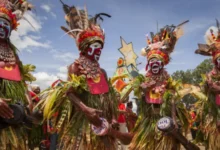
        Decode the hidden language of clothing! Explore how cultures, from the Himalayas to the Amazon, express their identity, spirituality, and resilience through textiles. Join us as we preserve and celebrate these wearable masterpieces before they are lost to history.

          December 5, 2025

          Cultural Diversity in Arab Countries

          Beyond the Monolith: A Journey into the Rich Diversity of the Arab World 🌍 Breathe in. Can you smell it?…
          November 9, 2025

          🥞 The All-American Breakfast: A Delicious Guide to Pancakes, Bacon, and Diner Culture

          Meta Description: Explore the hearty and iconic world of the American breakfast. From fluffy pancakes and crispy bacon to regional favorites…
          September 14, 2025

          Food as Offering: Honoring Ancestors and Deities Through Ritual Meals

          Discover how cultures around the world use food to honor ancestors and deities — from altars and feasts to sacred…
          September 14, 2025

          From Feast to Fasting: Food in Rituals of Purification and Renewal

          How Food Helps Us Reset, Reflect, and Renew Discover how fasting, feasting, and special food rules play a powerful role…
          September 14, 2025

          The Role of Sweets and Desserts in Cultural Celebrations Worldwide

          From wedding cakes to festival feasts — discover how sweets and desserts carry deep symbolic meaning in global celebrations. Explore…
          September 14, 2025

          Food as Memory: How Traditional Recipes Preserve Cultural Identity

          Discover how traditional recipes act as living archives of culture — preserving stories, values, and identity across generations. Explore the…
          April 16, 2025

          The Maya Civilization: A Journey Through Time, Innovation, and Mystery

          The Maya civilization, one of the most remarkable cultures of ancient Mesoamerica, thrived for over 3,000 years, leaving behind awe-inspiring pyramids, a…
          April 15, 2025

          Exploring the Slavic World: Culture, History, and Traditions

          Welcome! This article is your friendly guide to the fascinating world of the Slavic peoples. We’ll delve into their history, languages, cultures,…
          March 16, 2025

          Dragons and Phoenixes: The Harmonious Dance of Symbolism in Chinese Silk Embroidery

          In the intricate world of Chinese silk embroidery, few motifs captivate as profoundly as the dragon and the phoenix. These…
          March 9, 2025

          The Vibrant Threads of The Gambia: A Tapestry of Tradition and Identity

          Nestled along the winding Gambia River, Africa’s smallest mainland nation is a treasure trove of cultural heritage. The Gambia’s true…
          January 9, 2025

          Language and Communication Styles Across African and Latin American Cultures

          Understanding language and communication styles is crucial for fostering effective and respectful interactions across diverse cultures. This article delves into the fascinating…
          January 9, 2025

          Parenting Styles in Asian and American Cultures: A Comparative Look

          Understanding how different cultures approach parenting is crucial for fostering empathy and effective communication in our increasingly globalized world. This…

          Most Popular

            January 9, 2025

            Different Cultures Around the World

            Exploring the Rich Tapestry of Different Cultures Around the World Our planet is a vibrant mosaic of different cultures around the…
            November 30, 2025

            Understanding Native American Regalia in Powwows and Sacred Ceremonies

            More Than a Costume: The Living Spirit of Native American Regalia 🦅 Close your eyes and listen. A sound begins,…
            January 9, 2025

            How Family Roles Vary Across Different Cultures

            Families are the cornerstone of society, but what constitutes a “family” and how its members interact isn’t a universal concept. Family…

            Block Title


            Learn About Folk Costume History

            The Enduring Appeal of Folk Costume

            Folk Costume: A Celebration of Traditional Costume

            Folk clothing

            A Living Link to the Past

            Folk costume, also known as popular costume or national costume, represents much more than just clothing. It is a tangible manifestation of the cultural identity, history, and traditions of a people. As part of people’s lives, folk clothing and the traditional folk have endured through generations, adapting and evolving, yet always maintaining their distinctive essence.

            What is Traditional Costume ?

            The terms traditional dress, traditional costume, and folk dress are often used interchangeably to describe the set of garments that identify a group of people, usually associated with a specific region or historical period. This type of clothing is distinguished from contemporary fashion and is often used in folk festivals, ceremonial occasions, formal wear, and as traditional attire at various celebrations.

            The Craftsmanship of Folk Costume

            The making of folk costume is often an art in itself. Detailed embroidery, the use of local textiles like linen, and the skill to embroider meaningful patterns are characteristic. Every stitch, every color, can have a story or symbolic meaning.

            Essential Garments and Accessories

            A variety of types of clothing make up the folk costume. For women, a blouse made of white linen is often combined with a fitted bodice, a wool skirt (sometimes striped or with pleats), and an apron. They may wear an underskirt to give volume and, occasionally, an overskirt. The woman’s costume is completed with a headdress, which can be a simple headscarf or an elaborate bonnet, and sometimes head scarves. Men also have their own distinctive outfits, which may include trousers, shirts, and vests.

            Folk Costume and Culture

            Folk costume is intrinsically linked to other cultural expressions such as folk dance and folk music. Often, the costumes are designed to facilitate movement in dance, and their colorfulness adds a festive element to performances. In fact, costume is often used for dance performances.

            Regional Variations in Europe

            Europe is a melting pot of traditions, and this is reflected in the diversity of its folk costumes.

            • Bunad (Norway): The Norwegian bunad is an example of a regional costume that enjoys great popularity and is used on special occasions.
            • Tracht (German-speaking countries): The term tracht encompasses a variety of traditional costumes, with the Bavarian dirndl being one of the most well-known.
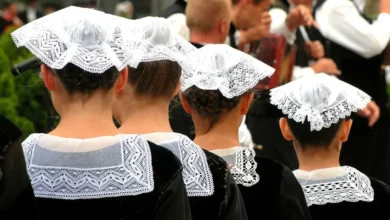
            • Breton Costume (France): The breton costume from the Brittany region in France is characterized by its elaborate lace and hats.
            • Ukrainian Folk Costume: The ukrainian folk costume, especially the woman’s costume, stands out for its rich embroidery and vibrant colors.
            • Slavic Folk Costume: Slavic countries have a great variety of costumes, such as the traditional polish costume from podhale or the colorful costume from łowicz. Slavic minority groups like the sorbs from brandenburg also preserve their distinctive costumes.
            • Hungarian Folk Costume: The hungarian folk costume is distinguished by its floral embroidery and the use of vivid colors.
            • Dutch Folk Costume: Regions like volendam and marken in the Netherlands are known for their distinctive traditional costumes.
            • Irish Folk Costume: The aran islands and the region of galway in Ireland have their own styles of traditional clothing, often associated with wool.
            • Hardanger (Norway): The hardanger region also has a particular style of bunad.

            Folk Costume Beyond Europe

            Indigenous peoples around the world also have rich traditions of traditional clothing. The gákti of the Sami people in northern Europe is an example of a costume that reflects their culture and environment. In Taiwan, communities like the amis in pingtung county and perhaps in areas like sandimen have their own traditional attire.

            Details and Decoration

            Details make all the difference in a folk costume. Carefully crafted pleats, striped patterns, the use of beadwork with glass beads, prints of printed cotton, details on the cuff, the use of white linen and woven wool, and even the use of sheepskin and moccasins in some cultures, contribute to the uniqueness of each costume.

            The Significance of Folk Costume

            Costume is often used to mark special occasions. It can be ceremonial and used as formal wear at weddings and other important events. As mentioned earlier, it is also used for dance performances. The act of making and wearing these costumes is a way to keep traditions alive.

            Folk Costume and Life Stages

            In many cultures, folk costume distinguishes between the marital status of women. The attire of unmarried women may differ significantly from that of married women, often including different types of headdress or bonnet. The bridal costume is especially elaborate and symbolic. In some cultures, married women wear specific head scarves.

            The Wearer and the Costume

            The wearer becomes an ambassador of their culture when wearing the traditional attire. The way costumes are made and passed down through generations underscores their importance as part of the cultural heritage.

            Folk Costume in Modern Times

            Today, the traditional folk remains relevant. Many people wear it on festive occasions, such as midsummer celebrations, or even as part of their everyday wear in some specific region. The regional costume continues to be a symbol of identity and pride. In Poland, the costume of karin is an example of a regional costume. In Germany, besides the dirndl, the costume of marken is another example.

            A Living Legacy

            Folk clothing and traditional garments are much more than just clothing. They are a living expression of the history, culture, and identity of a people. Their endurance as part of people’s lives demonstrates their intrinsic value and their ability to connect the past with the present.

            Back to top button