The air feels a little warmer, the first flowers are beginning to bloom 🌸, and store shelves are suddenly bursting with pastel colors and chocolate eggs. For many, this can only mean one thing: Easter is on its way.
More than just a single day, Easter is a season of profound meaning, deep-rooted traditions, and joyful celebration. It is a time when families gather, children hunt for treasures left by a mysterious bunny, and the world seems to shake off the cold of winter to embrace the promise of spring.
But what is the true story behind this beloved holiday? How did ancient symbols of fertility become intertwined with one of the most important events in Christianity? This guide will explore the rich tapestry of Easter, from its sacred spiritual heart to its cheerful secular traditions, and uncover the beautiful message of hope and renewal that unites them all.
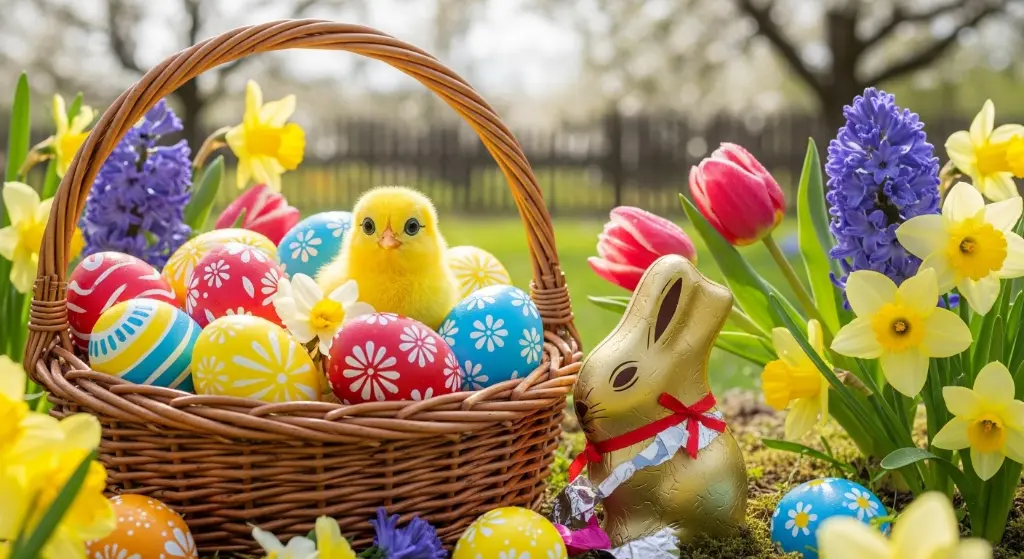
The Heart of Easter: A Story of Faith, Hope, and Resurrection ✝️
For Christians around the world, Easter is the most important and sacred holiday of the year. It is the glorious celebration of the Resurrection of Jesus Christ on the third day after his crucifixion. This event is the cornerstone of the Christian faith, representing victory over death, the promise of eternal life, and the ultimate act of God’s love and forgiveness.
See also More Than a Palm: The Art, Soul, and Symbolism of Poland’s Kurpie Easter Tradition 🇵🇱
The celebration of Easter is the culmination of Holy Week, a period of solemn observance:
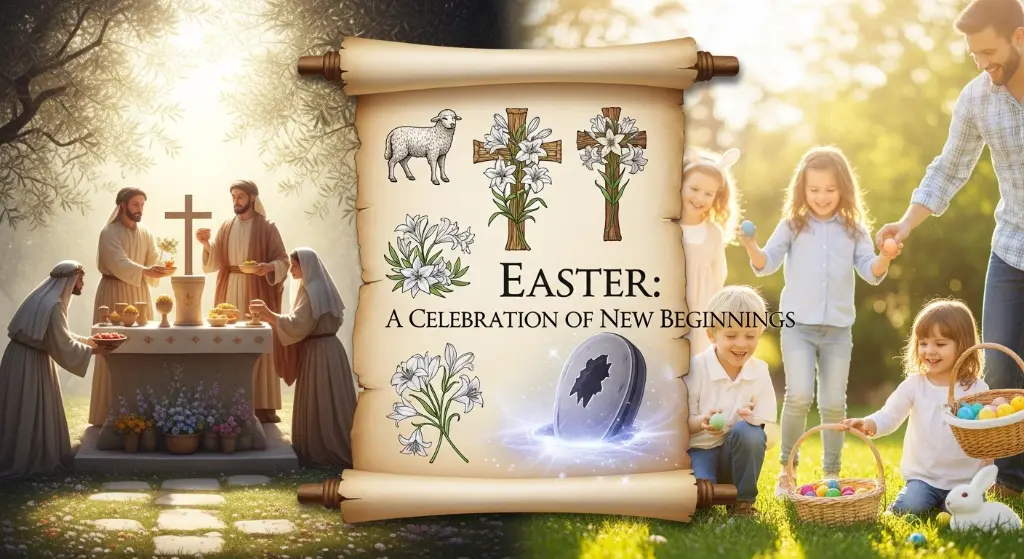
- Palm Sunday: Commemorates Jesus’ triumphant entry into Jerusalem.
- Maundy Thursday: Remembers the Last Supper, where Jesus shared a final meal with his disciples.
- Good Friday: A solemn day marking the crucifixion and death of Jesus on the cross. It is a day of reflection and sorrow.
- Easter Sunday: The day of joyous celebration! It marks the moment when Jesus’ followers discovered his tomb was empty, and he had risen from the dead.
This story of resurrection is the ultimate message of new life and hope, and it is the spiritual foundation upon which the holiday is built. The date of Easter changes each year, as it is celebrated on the first Sunday after the first full moon following the spring equinox, a system that links it directly to the ancient cycles of the seasons.
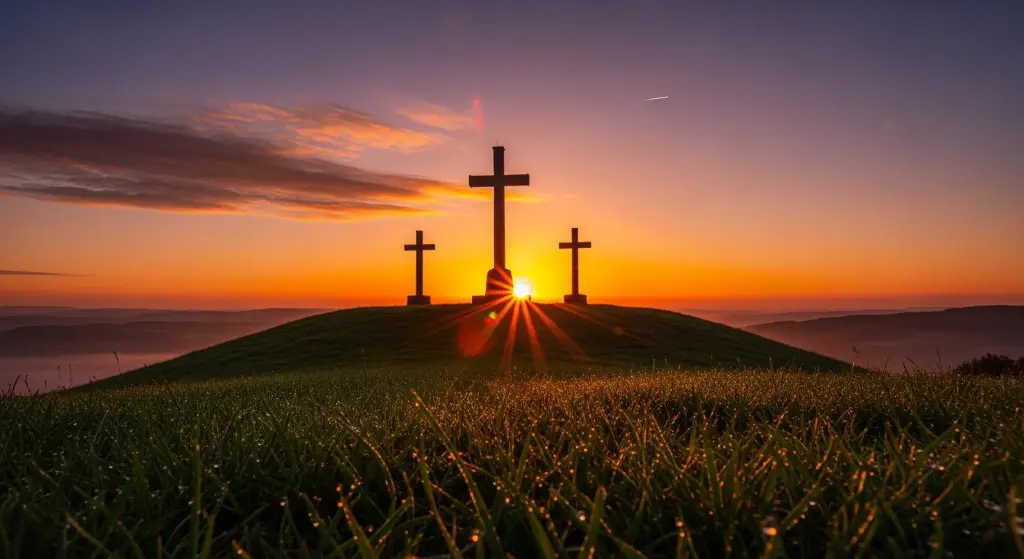
Bunnies, Eggs, and Springtime: The Cheerful Pagan Roots of Easter Traditions 🐰
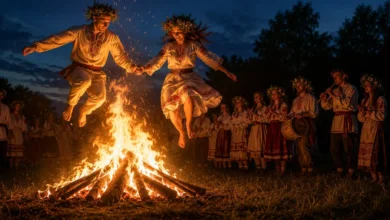
So, if Easter is a Christian holiday, where do the Easter Bunny and Easter eggs come from? The answer lies in the ancient pagan festivals that celebrated the arrival of spring long before the advent of Christianity.
As Christianity spread throughout Europe, it often incorporated existing pagan traditions to help make the conversion process smoother and more meaningful for new believers. Many of the secular symbols we associate with Easter are beautiful remnants of these ancient spring celebrations.
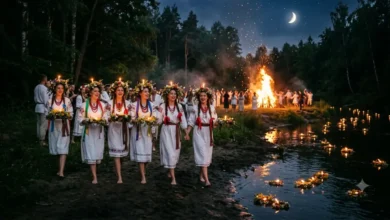
See also Noc Kupały: Poland’s Ancient Night of Fire, Water, and Magic
- The Name “Easter”: Many scholars believe the name “Easter” itself comes from Eostre (or Ostara), an Anglo-Saxon goddess of spring and fertility. Her festival was celebrated during the spring equinox.
- The Easter Bunny 🐇: The rabbit and the hare have been powerful symbols of fertility and new life for thousands of years due to their famous ability to reproduce quickly. German immigrants are often credited with bringing the legend of the “Osterhase” (Easter Hare), a magical creature that laid colored eggs for well-behaved children, to America in the 1700s.
- Easter Eggs 🥚: The egg is a universal and ancient symbol of new life, rebirth, and fertility. It perfectly represents the new life emerging in spring. For Christians, the egg took on a new, powerful meaning: it became a symbol of the tomb of Jesus, from which he emerged to new life. The tradition of painting eggs is ancient, with many cultures decorating them as part of their spring rituals.
The Meaning Behind the Symbols: A Quick Guide
The symbols of Easter are a beautiful blend of sacred and secular traditions, each carrying a message of hope.
| Symbol | Meaning |
|---|---|
| The Cross | Represents the crucifixion of Jesus and his ultimate sacrifice. |
| The Empty Tomb | The ultimate symbol of the Resurrection and victory over death. |
| The Lamb 🐑 | Represents Jesus, the “Lamb of God,” a symbol of purity and sacrifice. |
| Easter Eggs | Symbolize new life, rebirth, and the empty tomb. |
| The Easter Bunny | A secular symbol of fertility and new beginnings. |
| Easter Lilies 🌷 | White lilies represent purity, hope, and new life, often decorating churches on Easter Sunday. |
| Colors (White, Purple) | White symbolizes purity and resurrection. Purple represents royalty and is used during Lent, the period of penance before Easter. |
Easter Around the World: A Global Celebration 🌍
While bunnies and eggs are common, cultures around the world have their own unique and beautiful Easter traditions.
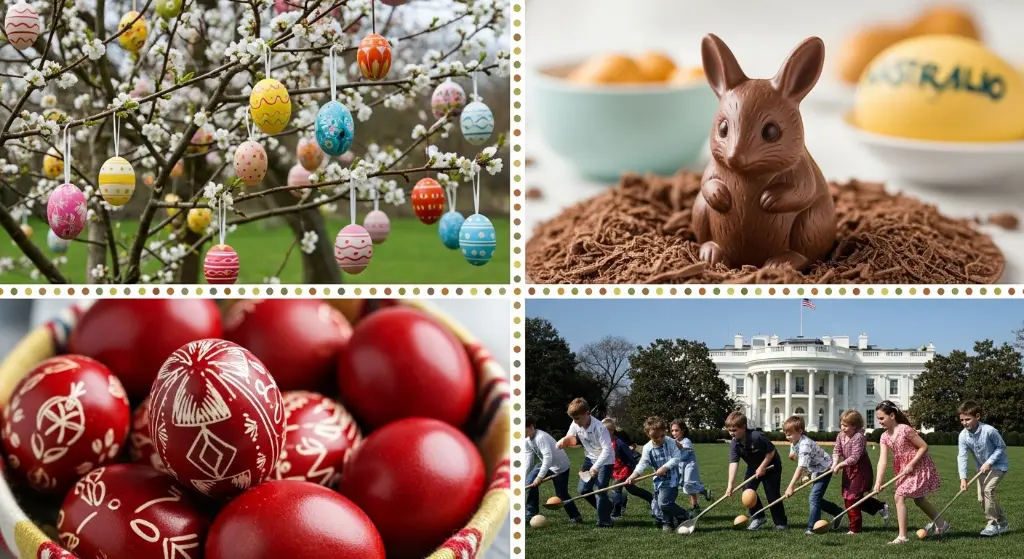
- Germany 🇩🇪: Families decorate trees and branches with beautifully hand-painted eggs, creating an Easter Egg Tree (Osterbaum).
- Australia 🇦🇺: In an effort to raise awareness for a native endangered species, many Australians have replaced the Easter Bunny with the Easter Bilby, a cute marsupial with long ears. You can even buy chocolate Bilbies!
- Greece 🇬🇷: On Holy Saturday, Orthodox Christians celebrate with the “Holy Fire” ceremony. At midnight, churches are plunged into darkness, then a single flame is passed from person to person until the whole church is glowing with candlelight. Eggs are dyed a deep red to symbolize the blood of Christ.
- United States 🇺🇸: The White House Easter Egg Roll is a famous tradition dating back to the 19th century, where children gather on the White House lawn to roll eggs with wooden spoons.
- Poland 🇵🇱: Śmigus-Dyngus (Wet Monday) takes place on Easter Monday, where boys traditionally drench girls with buckets of water—a playful tradition rooted in ancient spring rites of purification.
More Than a Holiday: The Enduring Message of Easter ✨
Today, for many families, Easter is a wonderful blend of these sacred and secular traditions. It might begin with a church service in the morning, followed by a large family dinner featuring ham or lamb. The afternoon is often filled with the joyous shouts of children on an Easter egg hunt, followed by the delightful chaos of unwrapping chocolate bunnies and jelly beans.
Whether you celebrate it as a profound religious observance, a joyful welcome to spring, or a precious time to gather with loved ones, the message of Easter is universal. It is a message of hope, renewal, and new beginnings. It’s a reminder that even after the coldest, darkest winter, life and light will always return.
So, how will you celebrate this season of renewal? Perhaps you’ll share a cherished family tradition, start a new one, or simply take a moment to connect with the people you love.
Happy Easter! 💖