The Return to Roots in a Digital Age
In 2026, we’re witnessing an extraordinary phenomenon – traditional textile crafts are experiencing a renaissance on an unprecedented scale. What was considered outdated just a decade ago has now become a symbol of luxury, authenticity, and conscious consumption. From intricate hand embroidery to ancient weaving techniques, manual crafts are becoming the foundation of contemporary fashion, design, and interior decor.
📊 The Numbers That Matter: The Craft Market in 2026
The global handmade crafts market is currently valued at over $906 billion and is expected to reach $1.94 trillion by 2033. Approximately 70.8% of consumers declare willingness to pay a premium price for high-quality handmade products. This isn’t just a trend – it’s a fundamental shift in how we value what we wear and own.
👥 Why Gen Z and Millennials Have Fallen in Love with Craft
1. Rebellion Against Fast Fashion
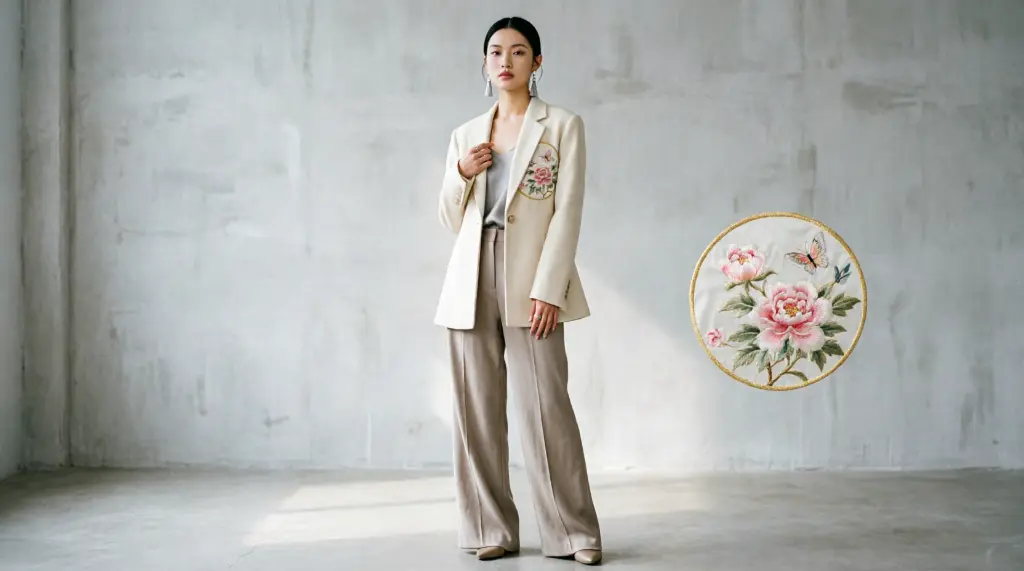
Younger generations are actively seeking alternatives to mass production. Embroidery, knitting, and hand weaving have become tools of expression – both artistic and political. In a world saturated with identical fast fashion pieces, handcrafted items offer uniqueness and meaning.
2. Mental Health and Mindfulness
Handcrafted textiles offer something desperately missing in our digital world: tactile connection, slowness, and meditative rhythm. The repetitive motions of stitching, weaving, or knitting allow us to slow down and disconnect from information overload. Each stitch becomes a moment of mindfulness.
See also Noc Kupały: Poland’s Ancient Night of Fire, Water, and Magic
3. Nostalgia and Connection to Heritage
For many young people, craft is a way to connect with grandparents and ancestors. What was once “grandma’s hobby” has become a generational statement – a way to honor those who came before while creating something entirely new.
4. Sustainability and Zero Waste
Traditional textile techniques naturally align with slow fashion philosophy – they emphasize quality, durability, and waste minimization. Hand-woven fabrics and embroidery are created with intention, not for quick profit.
🌍 Traditional Techniques Conquering the Fashion World
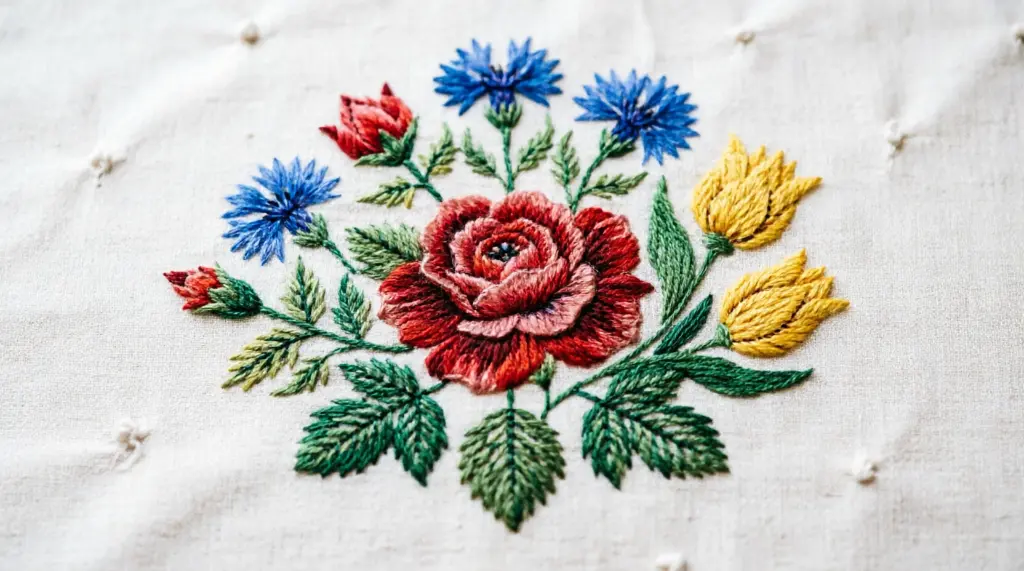
Polish Krakow Embroidery
Krakow embroidery, which originated in Krakow and Zakopane at the turn of the 19th and 20th centuries, is making a remarkable comeback. Its characteristic patterns – flowers, geometric motifs, and vibrant colors – are appearing on contemporary designs from haute couture to everyday wear.
Why now? Polish designers are increasingly reaching for local heritage, transforming it into modern forms. Exhibitions and educational initiatives in Krakow are promoting this technique among younger generations.
See also Day of the Dead: A Vibrant Celebration of Life, Love, and Remembrance 🎊💀🌸
Phulkari from Punjab
Phulkari, literally meaning “flower work,” is a traditional embroidery from Punjab characterized by rich, colorful floral patterns.
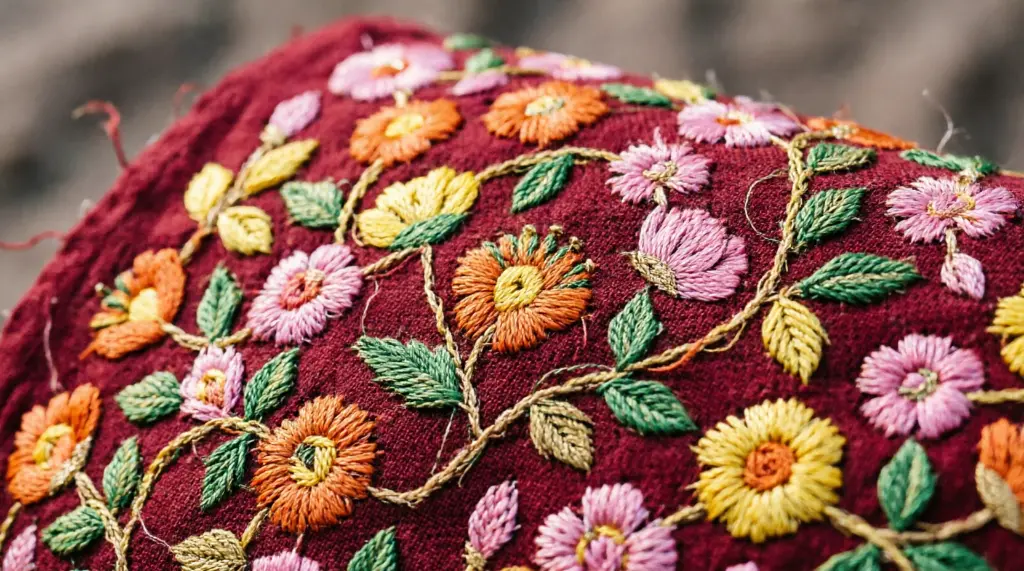
Contemporary applications:
- Modern dupattas (shawls) with contemporary Phulkari interpretations
- Kurtas, blouses, and even Western-style dresses
- Collaborations with local artisans who spend months creating a single, unique piece
Peruvian Backstrap Loom Weaving
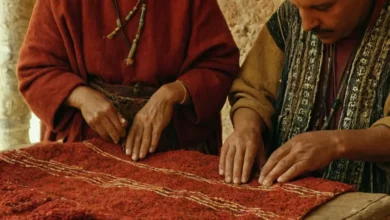
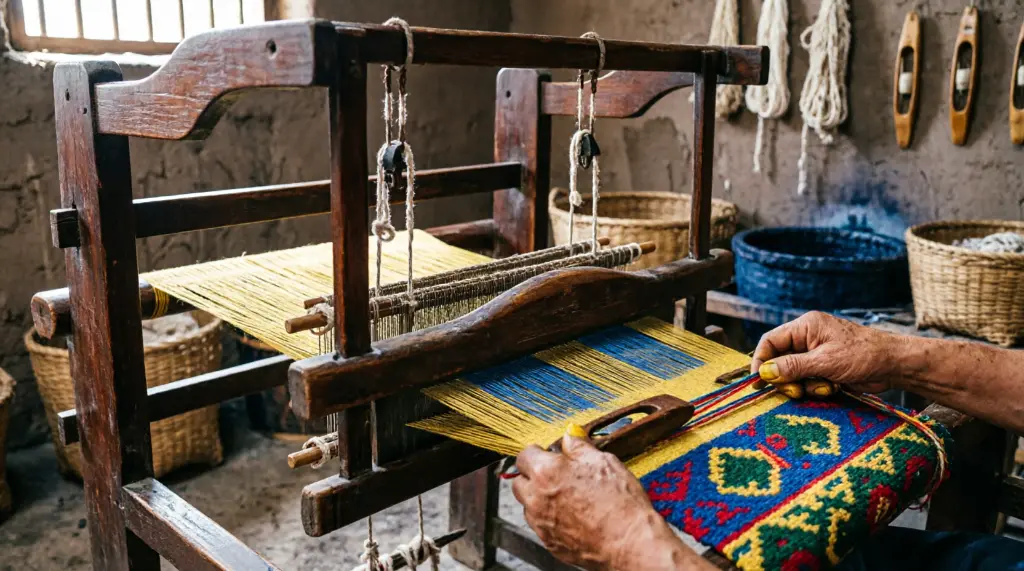
Traditional Peruvian weaving techniques, including backstrap loom and double-cloth weaving, have survived thanks to the dedication of local weavers.
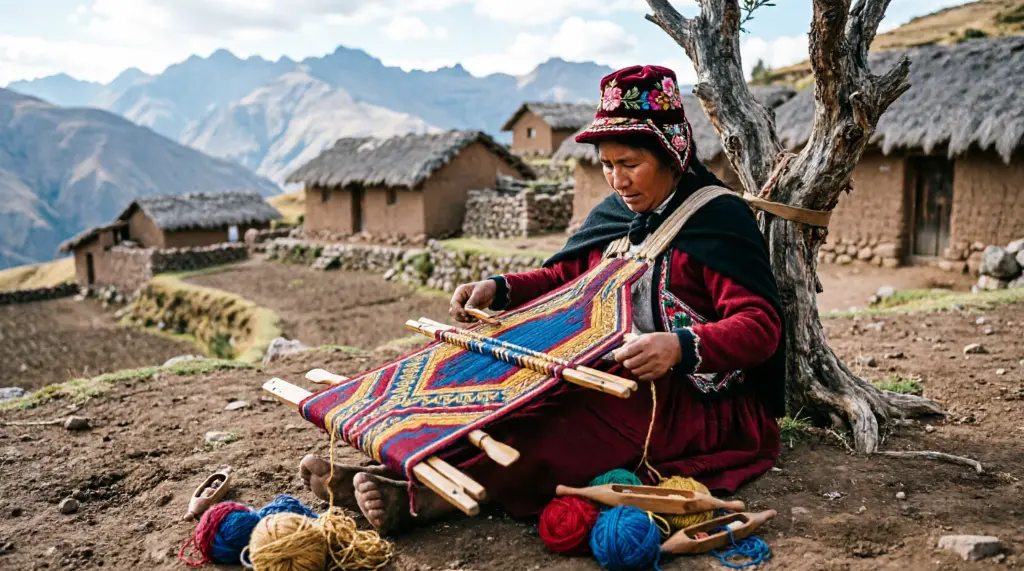
Modern influence:
- Ancient techniques meet modern design – Peruvian textiles inspire global designers
- Natural dyes and alpaca wool return as alternatives to synthetic materials
- Organizations like the Center for Traditional Textiles of Cusco protect these techniques from being forgotten
Kantha Stitch from India
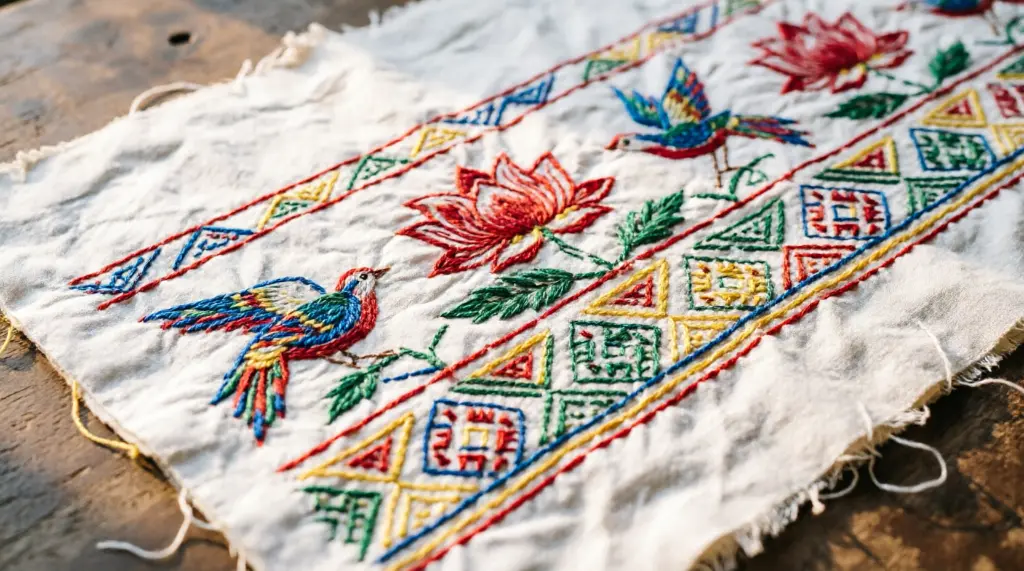
Kantha, the traditional embroidery from Bengal, is experiencing a true renaissance. After years of experimentation, artists can now combine this ancient technique with any contemporary outfit.
💎 Craft as the New Luxury
In 2026, “craft” and “craftsmanship” are the most important buzzwords in luxury fashion. Brands are positioning themselves as guardians of artisanal craft, not just clothing producers.
Why Craftsmanship Has Become Luxury?
- Attention to Detail – Every seam, every stitch is executed with precision impossible to achieve mechanically
- Durability – Handmade products are created to last years, not seasons
- Uniqueness – Imperfections of handwork become features, not flaws
- Story – Every piece has its own narrative: who created it, what technique was used, what materials went into it
Luxury has stopped being about logos – now it’s about identity, heritage, and mastery.
🌱 Slow Fashion vs. Fast Fashion: Craft as the Answer to Crisis
Traditional textile techniques are inherently eco-friendly:
- Natural materials – wool, cotton, linen, silk
- Natural dyes – indigo, turmeric, plant extracts
- Zero waste – techniques that minimize waste
- Local production – support for local artisan communities
Hand-woven fabrics have their own texture and “irregularity,” which is their beauty – the low twist of hand-spun yarn makes the material live and change over time.
📸 Case Studies: Brands and Designers Embracing Craft
India: Craft Revival as “Visual Sovereignty”
In 2026, the definition of “Indian fashion” has transcended borders – what we’re witnessing is visual sovereignty. India is leading a global movement of reclaiming craft as a form of cultural expression.
Poland: Wawel and Contemporary Textiles
Magdalena Abakanowicz’s exhibition at Wawel Castle showed how contemporary textiles can dialogue with royal tapestries – proof that traditional techniques can be modern.
Global Trend: Paris Fashion Week 2026
Paris Fashion Week remains the primary venue for validating luxury and craftsmanship standards – it’s where traditional techniques meet the avant-garde.
🎯 How to Incorporate Craft Revival into Your Daily Style?
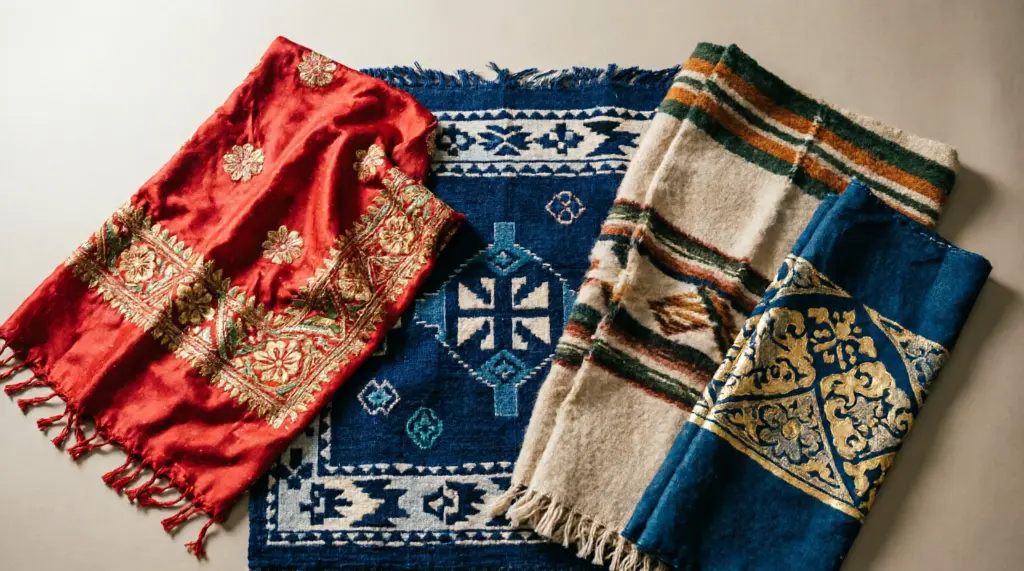
You don’t need to wear folk costume to appreciate craft:
✅ Accessories with Soul – embroidered bag, woven belt, crocheted hat
✅ One Statement Piece – one hand-embroidered blouse or woven jacket
✅ Mix of Cultures – combining Peruvian patterns with minimalist trousers
✅ Support Local Artisans – buy directly from creators or certified cooperatives
🔮 The Future of Craft: What’s Next?
Trends for 2026 and beyond:
- AI and Digitalization – 3D scans of traditional patterns help preserve and reinterpret them
- Education – craft workshops are becoming popular among young people
- Technology + Tradition – modern tools support but don’t replace the artisan’s hands
- Transparency – consumers want to know the story behind every product
💬 Conclusion: Craft Is More Than a Trend
Craft Revival is not a passing fad – it’s a social, cultural, and environmental movement. It’s a way to:
- Protect cultural heritage
- Support local communities
- Reduce fashion’s environmental impact
- Regain control over what we wear
In a world dominated by algorithms and mass production, every hand-made stitch is an act of resistance – and that’s exactly why it’s so valuable.
📣 Join the Revolution!
Share your story! Do you have an element with hand embroidery or a woven accessory in your closet? Take a photo and tag us with the hashtag #WorldCulturalThreads or #CraftRevival2026.
👉 Support artisans – shop consciously, ask about product origins, appreciate the time and skills invested in every piece.
👉 Learn the basics – even simple embroidery or knitting can be the beginning of a great craft adventure!
Remember: In every thread lies a story. In every stitch, a tradition. In every handcrafted piece, a piece of human heritage waiting to be discovered, appreciated, and passed on.
What traditional craft speaks to you? Share your thoughts in the comments below! 🧵✨