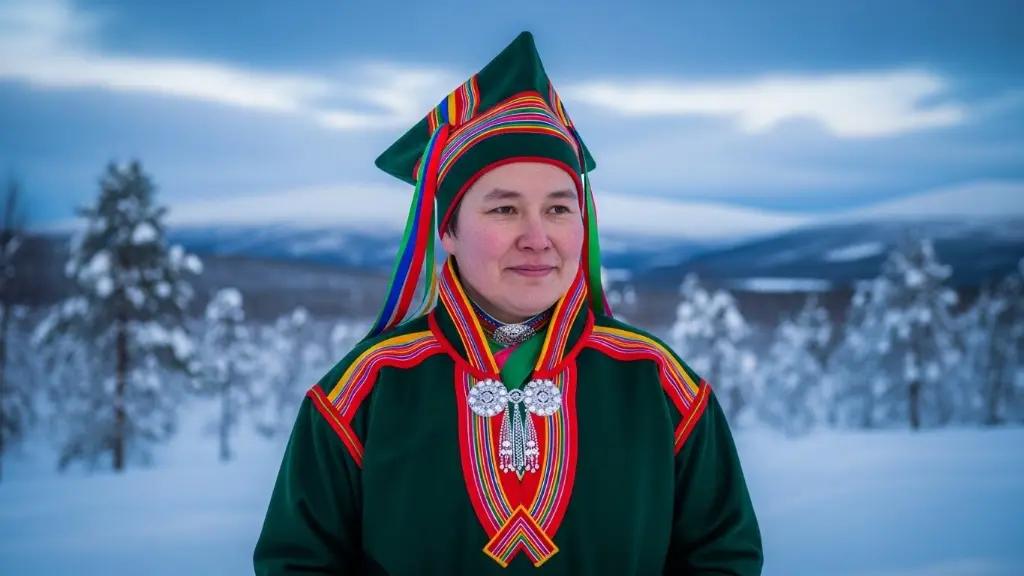
Imagine a vast expanse of tundra under the ethereal glow of the Northern Lights, or the endless daylight of a midnight sun. In this landscape of dramatic extremes, a figure emerges, adorned in a garment of brilliant blue, fiery red, and sun-yellow. The cloth is alive with intricate woven bands, shimmering silver, and the soft texture of reindeer leather. This is not just clothing. This is the Sámi Gákti, and it is one of the most powerful, beautiful, and information-rich forms of traditional dress in the world.
To see a gákti is to see a story. It is a visual passport, a family tree, a marriage certificate, and a spiritual statement, all woven into a single, breathtaking ensemble. It is the heartbeat of the Sámi people—the indigenous inhabitants of the northern reaches of Norway, Sweden, Finland, and Russia, a region they call Sápmi.
This article invites you into the vibrant world of the gákti. We will learn to read its secret language, to understand how its colors, cuts, and decorations communicate a person’s entire identity. We will explore its deep connection to the reindeer and the land, and witness its powerful revival as a symbol of resilience, pride, and indigenous sovereignty. Prepare to discover a garment that is not merely worn, but lived.
🗺️ The Gákti as a Passport: A Map of Sápmi
The most fundamental piece of information a gákti conveys is geography. It tells you exactly where a person is from, often down to the specific village or even family. There is no single, monolithic “Sámi gákti”; there are hundreds of regional variations, each as distinct as a local dialect. An expert eye can look at a person in their gákti and know their home without a single word being spoken.
See also Threads of Conquest: The Practicality and Power of Norman Clothing 🛡️
This regional identity is expressed through a combination of key elements:
- Main Color: While blue is a common base color, especially for more formal gákti, the specific shade and the dominant contrasting colors can signal a region. The vibrant blues of Karasjok (Norway) are distinct from the deeper, darker tones of Jukkasjärvi (Sweden).
- The Shape of the Hem: The bottom decoration of the gákti is a major identifier. The number, width, and color of the woven bands or fabric strips vary dramatically from place to place.
- Collar and Cuffs: The shape and decoration of the collar, cuffs, and shoulder pieces are also key regional markers.
- Men’s vs. Women’s Cut: Traditionally, a woman’s gákti is longer. A key difference is in the back pleating: a woman’s gákti often has a straight back pleat, while a man’s might have a “smiling” or curved shape at the hem. The men’s gákti is shorter, designed for greater mobility when working with reindeer.
For example, the gákti from Kautokeino, Norway, is known for its voluminous body and bright, intricate ribbon work, while the gákti from the southern Sámi regions of Sweden is often characterized by a more slender silhouette and different decorative principles. This visual diversity is a beautiful testament to the vastness and regional pride within Sápmi.
💬 The Gákti as a Status Update: Reading a Life Story
Beyond geography, the gákti is a living document of a person’s life. The specific accessories, the cut, and even how it is worn can communicate marital status, age, and social standing. It is a 1,000-year-old version of a social media profile, worn on the body.
Are You Married? Check the Belt and the Buttons.
In many Sámi communities, the transition from single to married life is visibly marked on the gákti.
See also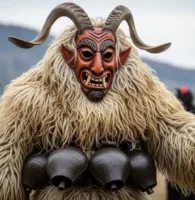 10 Folk Costumes So Strange They’re Hard to Believe
- The Belt (boagán): A single person’s belt might be simpler, made of woven cloth or leather. A married person’s belt is often more ornate, sometimes featuring large, decorative silver or gold-plated buttons known as šborru. In some traditions, a married woman wears a belt with square buttons, while a single woman wears one with round buttons.
- The “Jumping Button”: In certain men’s gákti traditions, a single man’s tunic is fastened at the top with a simple silver collar button. Upon marriage, he “jumps” the button down to a lower position, or changes the style of fastening, a visible signal to the community that he is now a married man.
- Headwear (gahpir): A woman’s headwear is one of the most powerful indicators of her life stage. A young, unmarried girl might wear a simple ribbon or a smaller, open-topped hat. Upon marriage, she adopts a new, more elaborate and often covered hat, signifying her changed status. The famous “Horn Hat” (ládjogahpir), with its distinctive curved horn, was a married woman’s hat that was suppressed by missionaries in the 19th century but is now being revived.
Widowhood, Celebration, and Mourning
The gákti also communicates joy and sorrow. For a wedding, the gákti will be at its most splendid, made of the finest wool and silk, adorned with gleaming silver and bright, new ribbons.
In times of mourning, the colors become more subdued. A person in mourning might turn their belt so the silver buttons face inwards, or they might remove some of the brighter, more decorative elements from their gákti. These subtle adjustments are a quiet, respectful way to communicate one’s grief to the community.
✨ The Soul of the Gákti: Reindeer, Silver, and the Spirit of the Land
The gákti is not just a collection of social codes; it is a spiritual object, deeply connected to the Sámi worldview, the arctic environment, and the reindeer, which is at the heart of traditional Sámi life.
The Reindeer’s Gift 🦌
Traditionally, the gákti was a garment born from the reindeer.
- Leather (Sisti): The soft, supple, and incredibly warm tanned hide of the reindeer was the primary material for winter gákti, trousers, and especially the vital winter boots (nuvttohat). These boots, often stuffed with sedge grass for insulation, were a masterpiece of arctic technology, keeping feet warm in the most extreme temperatures.
- Sinew: The tough sinew from the reindeer’s back was used as thread, strong and weather-resistant.
- Antler: Reindeer antler was carved into buttons, belt clasps, and the handles of knives that were an essential part of the gákti ensemble.
To wear a gákti made from reindeer was to carry the spirit of the herd with you. It was a garment that honored the animal that provided everything: food, shelter, tools, and clothing. While woven wool and silk (acquired through trade for centuries) are now more common for formal gákti, reindeer leather remains a vital and highly prized material.
The Gleam of Silver: Protection and Prestige 💍
Silver is an integral part of the gákti, especially for formal and ceremonial occasions. It is not just decoration; it is both a spiritual shield and a family bank.
- Amuletic Power: In traditional Sámi belief, the world is full of spirits. The reflective, shimmering quality of silver was believed to ward off evil spirits and protect the wearer, especially vulnerable children. The tinkling sound of silver jewelry was also thought to be apotropaic (protective).
- A Family’s Wealth: Before modern banks, a family’s wealth was portable and wearable. It was invested in silver. A woman’s collection of silver brooches (solju) or a man’s ornate belt was a visible sign of the family’s prosperity. This silver was passed down through generations, accumulating history and sentimental value. The large, often saucer-shaped main brooch worn by women is a centerpiece of the ensemble, a powerful statement of heritage.
- Shamanic Connections: Historically, the drums of the Sámi shamans (noaidi) were decorated with silver charms. Silver was seen as a conduit to the spirit world, a metal of magical potency.
The Colors of the Arctic Light 🎨
The vibrant colors of the gákti—the deep blues, fiery reds, and sun-yellows—are often interpreted as a reflection of the Sápmi landscape.
- Blue: The color of the sky and the water, a symbol of the vastness of the land.
- Red: The color of fire, blood, and life itself. It represents warmth, love, and the sun that is so precious in the far north.
- Yellow: The color of the sun, bringing joy and dispelling the long darkness of winter.
- Green: The color of the earth, the forests, and the new life of spring.
Together, these colors form the basis of the Sámi flag and are a bold, joyful declaration of identity against the often white and stark landscape of the arctic.
📜 The Gákti Under Threat: A Story of Suppression
The gákti we see today is a symbol of pride, but its survival is a story of incredible resilience. For centuries, Sámi culture was subjected to brutal policies of forced assimilation by the surrounding nation-states. This was particularly true during the 19th and early 20th centuries.
- Religious Suppression: Christian missionaries viewed the gákti, with its bright colors and shamanic associations, as a “garment of sin.” They actively discouraged its use, sometimes even confiscating or burning the gákti and shaman drums. As mentioned, the iconic “Horn Hat” was suppressed because it was seen as a symbol of the devil.
- Boarding Schools: Sámi children were forcibly taken from their families and sent to residential boarding schools where they were forbidden from speaking their own language or wearing their gákti. They were punished for displaying any sign of their culture. The goal was to “Norwegianize,” “Swedify,” or “Finnicize” them.
- Social Stigma: This created a deep sense of shame. Wearing the gákti in public could lead to ridicule and discrimination. For several generations, many Sámi families packed their gákti away, and the knowledge of how to make and wear them began to fade.
This period of darkness, known as the “shame” by many, threatened to sever the thread of this ancient tradition forever.
💪 The Gákti Revival: A Symbol of Pride and Sovereignty
Beginning in the 1970s and 1980s, a powerful wave of indigenous activism swept through Sápmi. This was the Sámi Awakening. A new generation began to fight for their linguistic, political, and cultural rights. Central to this movement was the reclaiming of the gákti.
- A Political Statement: To wear the gákti once again became a powerful act of defiance and pride. It was a visual rejection of the assimilation policies and a bold declaration: “We are still here. We are Sámi.” The gákti was worn at political protests, in parliamentary sessions, and at international indigenous forums.
- Relearning and Recreating: Communities began the painstaking work of reviving lost traditions. Elders who still held the knowledge were sought out. Old gákti stored in museums and family chests were studied. People began to relearn the patterns, the sewing techniques, and the cultural codes.
- The Gákti Today: Today, the gákti is more vibrant and visible than ever. It is worn with immense pride at weddings, baptisms, confirmations, and on the Sámi National Day (February 6th). Young Sámi artists, musicians (like Mari Boine and Jon Henrik Fjällgren), and designers are incorporating the gákti into their modern lives and work, ensuring it is not a museum piece but a living, evolving part of their identity.
As Sámi scholar and artist Outi Pieski states, “The Gákti is a flag for the Sámi people. It carries our history, our connection to our ancestors, and our vision for the future.”
Conclusion: A Thread Connecting Past, Present, and Future
The Sámi gákti is a masterpiece of human culture. It is a garment of breathtaking beauty, but its true power lies in its language. It is a story in every stitch, a map in every band of color, a family history in every gleam of silver. It speaks of a deep, symbiotic relationship with the reindeer and the arctic land, a worldview that sees the sacred in the material.
Having survived centuries of suppression, the gákti has been reborn as a powerful symbol of indigenous resilience and pride. It is a thread that connects the modern Sámi to their ancestors and to the future generations who will wear it. To see a gákti is to witness a culture that has refused to be silenced, a people who wear their history, their identity, and their heart on their sleeves, woven in the brilliant, defiant colors of the arctic light.
What part of the gákti’s intricate language do you find most compelling? Share your thoughts and appreciation in the comments below! 👇
❓ Frequently Asked Questions about the Sámi Gákti
Q1: Can a non-Sámi person wear a gákti?
A: This is a very sensitive issue. The gákti is not a costume or a piece of folk dress; it is a deeply personal and culturally specific garment of identity. Generally, it is not appropriate for a non-Sámi person to wear a gákti, as it would be seen as a form of cultural appropriation, like wearing a stranger’s passport. The exceptions are rare and personal, such as a non-Sámi person who has married into a Sámi family and has been gifted a gákti by their new family to wear at specific family events.
Q2: How is a gákti made?
A: Traditionally, a gákti is entirely handmade, often by the wearer or a family member. It involves sewing the main body from wool, silk, or leather, and then painstakingly applying the decorative elements: intricately woven bands (which may be purchased from specialist weavers), strips of colored cloth, pewter-thread embroidery, and silver jewelry. It is a labor of love that can take hundreds of hours.
Q3: Are the gákti only worn for special occasions?
A: Today, for most Sámi people, the gákti is a formal garment worn for celebrations, ceremonies, and important events. However, there are also simpler, everyday versions (árgagákti), and many reindeer herders still wear practical gákti elements, like the sturdy leather trousers and boots, for their daily work.
Q4: Is the gákti related to other Nordic folk costumes?
A: While they exist in the same geographical area, the gákti comes from a completely distinct cultural and linguistic tradition (Finno-Ugric) from the Scandinavian folk costumes (like the Norwegian bunad or Swedish folkdräkt), which come from a North Germanic tradition. The gákti’s design principles, materials, and symbolic language are unique to the Sámi people and their indigenous worldview.