
Understanding the Apache Indians: A Comprehensive Overview
The Apache Indians are a group of culturally related Native American tribes from the Southwestern United States. Their history is rich, complex, and often misunderstood. This article explores their origins, culture, social structure, and enduring legacy — helping readers gain a clear and respectful understanding of who the Apache truly are.
Who Are the Apache Indians? Defining Identity and Tribal Divisions
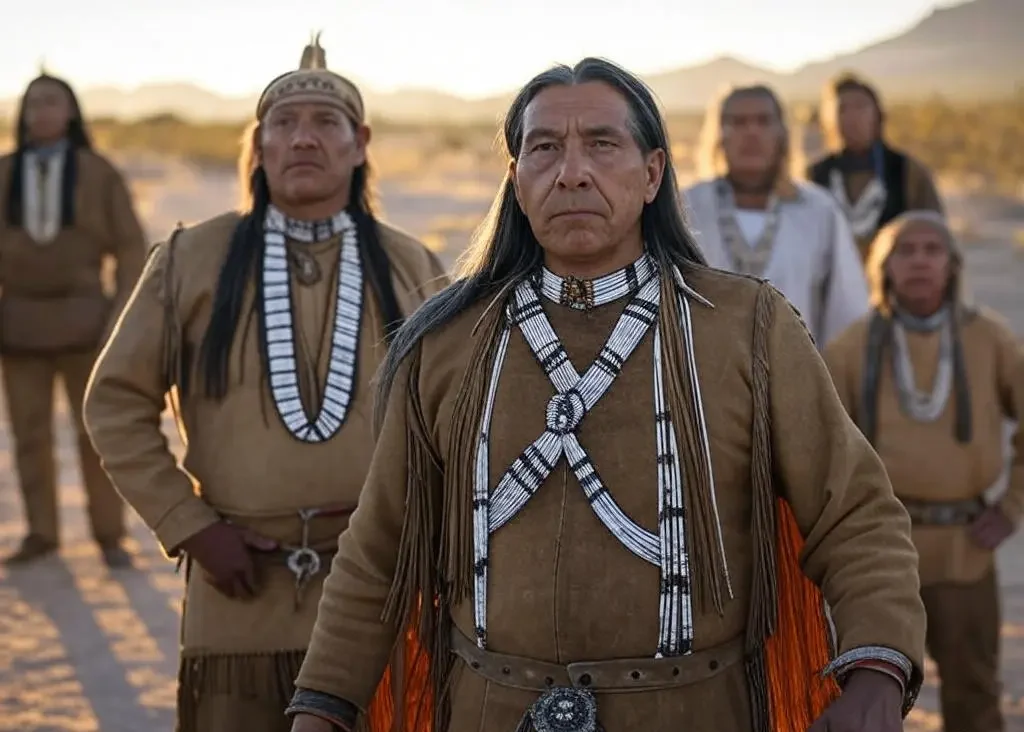
The term “Apache” refers not to a single tribe but a network of closely related groups, each with its own dialect, traditions, and territory. Recognizing this diversity is essential to fully understanding their dynamic history and cultural depth.
Major Apache Tribes and Their Regions
- Western Apache – Based in Arizona, including subgroups such as the White Mountain, Cibecue, San Carlos, and Tonto Apache.
- Chiricahua Apache – Renowned for strategic warfare and adaptability, they occupied lands across present-day Arizona, New Mexico, and northern Mexico. Legendary leaders Cochise and Geronimo emerged from this group.
- Mescalero Apache – Centered in southeastern New Mexico and western Texas; named after the mescal plant, an important food source.
- Jicarilla Apache – Historically located in northern New Mexico and southern Colorado, divided into two bands: the Llaneros (plains people) and the Olleros (mountain people).
- Lipan Apache – Traditionally found in Texas and northern Mexico; suffered severe displacement and losses through centuries of conflict.
- Plains Apache (Kiowa-Apache) – Associated with the Kiowa Nation, blending Apache traditions with Plains cultural influences.
Each group forged distinct relationships with neighboring tribes and landscapes — shaping unique identities within the broader Apache world.

From Nomadic Origins to Conflict: A Glimpse into Apache History
The story of the Apache people is one of resilience, mobility, and defiance. Their dynamic adaptation to harsh environments, combined with a deep warrior ethos, defined both their survival and the intense challenges they faced in later centuries.
See also The Sioux Tribe: A Rich History and Enduring Legacy
Early Origins and Migration
The Apache languages belong to the Athabaskan family, linking them linguistically to northern tribes in present-day Canada and Alaska. Between 850 and 1600 AD, Apache ancestors gradually migrated southward, settling across the U.S. Southwest.
Nomadic Life and Survival
Most Apache bands lived nomadic or semi-nomadic lives, hunting game such as deer and antelope, while gathering edible plants and fruits. Raiding was part of their survival system — a tactical means to secure livestock and resources, not random aggression, as often misrepresented.
Apache Resistance and Warfare
European contact drastically altered their world. For centuries, the Apache fiercely resisted Spanish, Mexican, and later U.S. expansion. Leaders like Cochise and Geronimo became enduring symbols of defiance and freedom. The Apache Wars, spanning decades, ultimately led to their forced relocation to reservations — ending their free-roaming lifestyle but not their cultural spirit.
Apache Culture: Family, Beliefs, and Artistic Expression
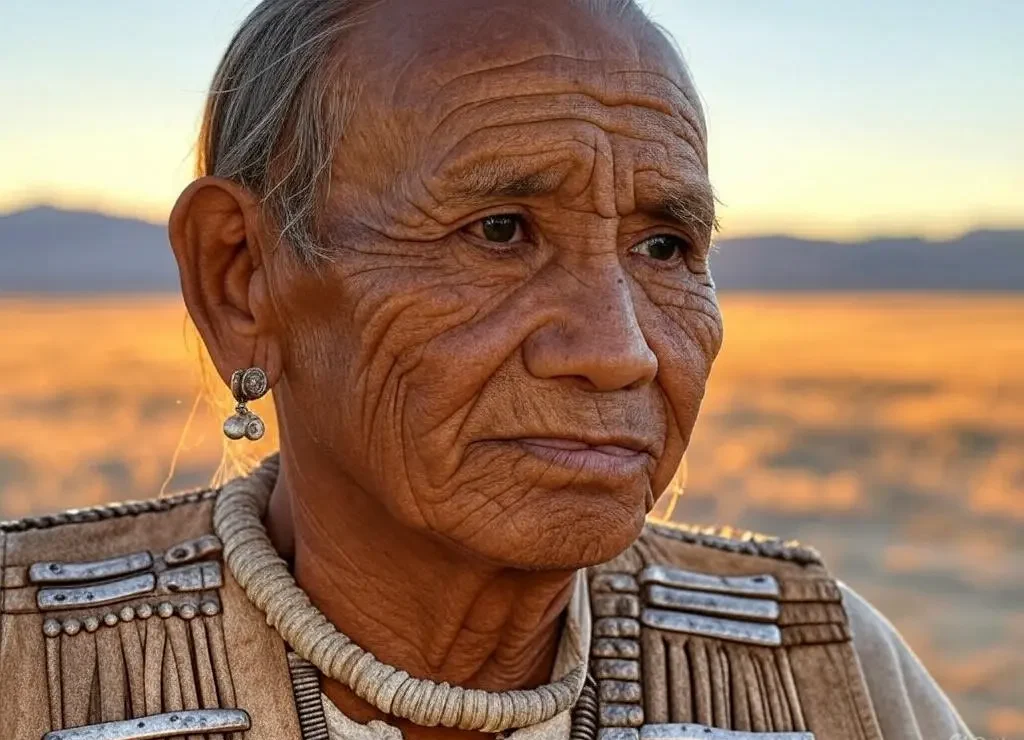
Family and Kinship
Apache society was matrilineal — descent and inheritance passed through the mother’s line. Women held property, led family decisions, and guided cultural continuity. Extended families formed the heart of community life, ensuring collective strength and care.
See also The Quechua People: A Journey Through History, Culture, and Language
Spiritual Beliefs and Ceremonies
The Apache worldview interwove nature, spirituality, and balance. Ceremonies such as the Sunrise Ceremony — a rite of passage marking a young woman’s transition into adulthood — symbolized harmony between the human and spiritual worlds.
Arts, Crafts, and Daily Life
Apache artisans excelled in basketry, weaving, and beadwork, creating tools and garments that were both functional and deeply symbolic. Each item reflected craftsmanship, identity, and reverence for the natural world.
Traditional Housing: The Wikiup
The wikiup — a dome-shaped shelter made from branches, grass, and hides — exemplified Apache practicality. Light and portable, it perfectly suited their mobile lifestyle across diverse terrains.
Legendary Apache Leaders

Cochise – The Diplomat and Defender
Leader of the Chiricahua Apache, Cochise initially sought peace with U.S. authorities until betrayal and violence against his people forced him into war. His leadership combined tactical genius with deep moral conviction, and he later negotiated peace to allow his people limited autonomy.
Geronimo – The Spirit of Defiance
Perhaps the most famous Apache, Geronimo led relentless resistance campaigns across the Southwest. His final surrender in 1886 marked the close of the Apache Wars but cemented his legacy as a symbol of perseverance and cultural pride.
Other Notable Figures
- Victorio – Warm Springs Apache leader, known for brilliant guerrilla tactics.
- Nana – An elder warrior who continued fighting long after most had surrendered.
- Lozen – Sister of Victorio, famed for her courage and prophetic gifts in battle.
The Apache Today: Resilience and Cultural Renewal
Though the Apache endured immense loss, their spirit remains unbroken. Today, Apache nations thrive across the American Southwest, balancing tradition with modern development.
Major Apache Reservations
- San Carlos Apache Reservation (Arizona)
- White Mountain Apache Reservation (Arizona)
- Mescalero Apache Reservation (New Mexico)
- Jicarilla Apache Reservation (New Mexico)
- Fort Sill Apache Tribe (Oklahoma)


Preserving Language and Identity
Efforts to revive Apache languages and ceremonies have gained momentum. Cultural programs, museums, and intergenerational education initiatives are ensuring that Apache traditions — once threatened — continue to flourish.
Economic and Political Empowerment
Through tribal governance, tourism, natural resource management, and casino enterprises, modern Apache nations champion economic sovereignty and self-determination, fostering progress while honoring ancestral values.
Breaking Misconceptions
- Beyond the “Savage Warrior” Stereotype: Apache warfare was rooted in defense and survival, not senseless violence.
- Rejecting the “Hollywood Indian” Myth: Popular media often flattens complex cultures into caricatures. The Apache represent a diverse, highly organized society rich in artistry, governance, and belief.
- Recognizing Diversity: Each Apache group has distinct traditions and dialects — understanding this diversity dispels the myth of cultural uniformity.

Appreciating the Apache Legacy
The Apache story is one of adaptation, unity, and endurance. Across centuries of upheaval, they have preserved deep ties to the land and to each other. Their enduring legacy teaches strength through community, respect for nature, and the unyielding pursuit of freedom.
By acknowledging their history and ongoing contributions, we not only honor the Apache people but also recognize the profound resilience that continues to shape the identity of the American Southwest.


