Discover how couples worldwide are blending traditional garments with modern wedding styles — honoring culture, expressing identity, and creating unforgettable moments. From saris to kimonos, explore the global trend of heritage fashion in contemporary nuptials.
When Love Meets Legacy — The Rise of Heritage Wedding Fashion

White gowns. Tuxedos. Flower crowns. Instagram backdrops.
Modern weddings have become global spectacles of personal style — but beneath the hashtags and Pinterest boards, a quiet revolution is blooming:
Couples are reaching back — to silk, embroidery, ancestral patterns, and sacred symbols — to weave their roots into their big day.
See also 💍10 Essential Dress Rituals in Multicultural Weddings
From Nigerian gele headwraps under crystal chandeliers to Chinese qipaos paired with sneakers, from Scottish tartan kilts at beachside vows to Mexican rebozos draped over minimalist gowns — traditional attire is no longer “old-fashioned.” It’s powerful. Personal. Proud.
In this article, we’ll explore how modern couples are keeping heritage alive — one stitch, one bead, one ancestral silhouette at a time.
Why Tradition? The Emotional Pull of Cultural Attire
It’s more than aesthetics. Wearing traditional wedding attire is often:
- 💞 A tribute to family — honoring parents, grandparents, ancestors
- 🌍 A statement of identity — saying “this is who I am” in a globalized world
- 🕊️ A spiritual act — invoking blessings, protection, or ancestral presence
- ✨ A unique style choice — standing out from cookie-cutter wedding trends
“I didn’t just want to look beautiful. I wanted to feel like my grandmother was walking with me.”
See also
— Priya, Indian-American bride who wore her great-grandmother’s kanjivaram sariArab Weddings: The Mystique of Cultural Splendor
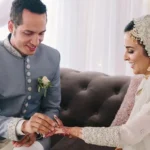
Global Spotlight: How Cultures Are Blending Tradition + Modernity
🇮🇳 India: The Sari & Sherwani Reinvented
Indian weddings are legendary for color, fabric, and drama — but modern couples are making them theirs.
- Brides: Pairing heirloom saris with crop tops, capes, or sneakers for the reception
- Grooms: Wearing sherwanis in pastels or metallics — even with leather jackets for the sangeet
- Fusion Looks: Sari gowns, dhoti-pants with blazers, Indo-Western lehenga skirts
💡 Trend Alert: “Reception Redos” — changing into a second, modern outfit after traditional ceremonies
🇯🇵 Japan: Kimono Meets Contemporary Elegance
Many Japanese couples now split their day:
- Shinto Ceremony: Brides wear shiromuku (pure white kimono), grooms in montsuki hakama
- Reception or Photo Shoot: Switch to Western gowns and tuxedos — or modernized kimonos with bold prints, shorter hems, or lace overlays
Some even commission “kimono gowns” — Western silhouettes using vintage obi fabric or hand-painted motifs.
🇳🇬 Nigeria: Ankara, Aso Oke & the Power of Color
Nigerian weddings are a riot of color, texture, and pride — and modern couples are doubling down.
- Brides: Wearing custom gele headwraps with sleek mermaid gowns
- Grooms: Rocking agbada robes in velvet or metallic brocade — sometimes with tailored pants underneath
- Couples: Matching in Ankara prints — but styled as jumpsuits, two-pieces, or cape dresses
🌺 “We didn’t tone it down — we turned it up. Our wedding was a runway of culture.” — Tunde & Ada, Lagos-London fusion wedding
🇲🇽 Mexico: Rebozos, Charro Suits & Cultural Pride
Mexican couples are reclaiming indigenous and regional styles:

- Brides: Wearing embroidered huipiles or rebozos over lace gowns — or as standalone statement pieces
- Grooms: Modern charro suits in black or navy, paired with boots and bolo ties
- Accessories: Headdresses with cempasúchil (marigolds), Oaxacan beadwork, or Puebla talavera-inspired clutches
Many also incorporate “something ancestral” — a brooch, a shawl, a family rebozo — even if the rest of the outfit is modern.
🏴 Scotland: Kilts That Kick Tradition Forward
Scottish grooms (and increasingly, brides!) are keeping the kilt alive — but with flair:
- Modern Tartans: Custom clan patterns in neon, charcoal, or ombre
- Styling: Kilts with leather jackets, Converse sneakers, or sequin bodices
- Gender-Fluid Looks: Brides wearing Prince Charlie jackets with kilts; grooms in lace-trimmed sporrans
🎻 Fun Fact: Many couples now include a “kilt reveal” moment — like a dress reveal — during the reception.
The Fusion Trend: When Two Cultures Become One Outfit
For intercultural couples, wedding attire becomes a love letter to both lineages.
Examples:
- Indian + Western: Sari skirt with lace bodice + cathedral veil
- Japanese + American: Kimono sleeves on a ballgown + cowboy boots
- Nigerian + Korean: Ankara-print hanbok with gele headwrap
- Filipino + French: Barong Tagalog shirt under a tulle cape + beret
💍 “Our outfits told our story — before we even said ‘I do.’”
Many designers now specialize in “cultural fusion couture” — blending fabrics, cuts, and symbols from multiple heritages into one cohesive look.
The Role of Social Media & Designers
Platforms like Instagram and Pinterest haven’t erased tradition — they’ve amplified it.
- 📸 #CulturalBride and #HeritageWedding have millions of posts
- 👗 Designers like Sabyasachi (India), Lisa Folawiyo (Nigeria), Guo Pei (China), and Carolina Herrera (Latina-inspired) are global wedding icons
- 🧵 Etsy and Instagram boutiques offer custom fusion pieces — making heritage fashion accessible worldwide
🎥 Viral Moment: A bride walking down the aisle in her mother’s 30-year-old wedding sari — video viewed 12M+ times
Practical Tips: How to Incorporate Tradition Into Your Modern Wedding
Want to honor your roots without feeling costume-y? Here’s how:
✅ Start Small
- Wear a family heirloom as a veil, belt, or jewelry
- Add embroidery or fabric from your culture to your gown or suit
- Choose shoes, socks, or underwear in traditional patterns (for “something hidden”)
✅ Mix & Match
- Traditional top + modern bottom (or vice versa)
- Cultural accessories with minimalist outfits
- Change outfits between ceremony and reception
✅ Tell the Story
- Add a note in your program explaining the meaning of your attire
- Have a “cultural fashion moment” during the reception
- Gift guests small tokens (like embroidered handkerchiefs or fabric swatches)
✅ Work With a Designer
Many now offer consultations for cultural fusion — helping you blend aesthetics respectfully and beautifully.
Challenges — and How Couples Are Overcoming Them
❗ “It’s Too Much” / “Will I Look Out of Place?”
→ Solution: Blend, don’t overwhelm. One bold traditional piece + modern basics = stunning balance.
❗ “My Family Expects Full Tradition — But I Want My Style”
→ Solution: Compromise. Wear full traditional attire for key rituals — then change for the party.
❗ “I’m Not From That Culture — Can I Wear It?”
→ Solution: If you’re marrying into a culture, wearing attire with respect and guidance is usually welcomed. Avoid sacred or ceremonial-only garments unless invited.
🌈 Golden Rule: Honor > Appropriation. Ask. Learn. Credit. Celebrate — don’t costume.
Real Couples, Real Stories
| Maya & James | Indian + American | Maya: Sari-gown hybrid with sneakers; James: Navy sherwani with loafers |
| Linh & Sophie | Vietnamese + French | Linh: Modern áo dài in blush silk; Sophie: Lace pantsuit with non la (conical hat) |
| Kofi & Elena | Ghanaian + Italian | Kofi: Kente-print tuxedo; Elena: White gown with kente sash + gele-inspired updo |
| Yuki & Mateo | Japanese + Mexican | Yuki: Ivory kimono with lace obi; Mateo: Charro jacket over guayabera, huaraches |
FAQs: Traditional Attire in Modern Weddings
❓ Do I have to wear full traditional attire if my family expects it?
No — it’s your day. Many couples compromise: wear traditional for photos or ceremony, then change. Communication is key!
❓ Can I wear my partner’s cultural attire?
Absolutely — if done with love, respect, and understanding. Many couples choose to wear elements of each other’s heritage as a symbol of unity.
❓ Where can I find culturally respectful designers?
Look for designers from the culture itself — or those who collaborate with cultural consultants. Etsy, Instagram, and bridal shows are great places to start.
❓ What if I don’t know my heritage well?
Start with what you know — a fabric, a color, a family story. Even one meaningful detail can honor your roots.
Conclusion: Stitching the Past Into the Future
Weddings are about more than vows.
They’re about belonging.
About continuity.
About saying: “I carry my people with me — into this new life.”
Traditional attire in modern weddings isn’t nostalgia.
It’s reclamation.
It’s celebration.
It’s identity — worn with pride.
So whether you’re walking down the aisle in a 100-year-old kimono, a neon Ankara jumpsuit, or a sari stitched by your aunt — know this:
You’re not just wearing fabric.
You’re wearing legacy.
You’re wearing love.
You’re wearing home.
And that?
That never goes out of style.
ust say the word — I’ll help you bring heritage to life, one wedding at a time. 💕🌍
Because love is universal —
but how you wear it?
That’s where the magic begins.